NHTSA audits Tesla’s Cybercab safety self-certification after Austin launch
The regulator is scrutinising how a driverless vehicle without conventional controls was certified under federal safety rules
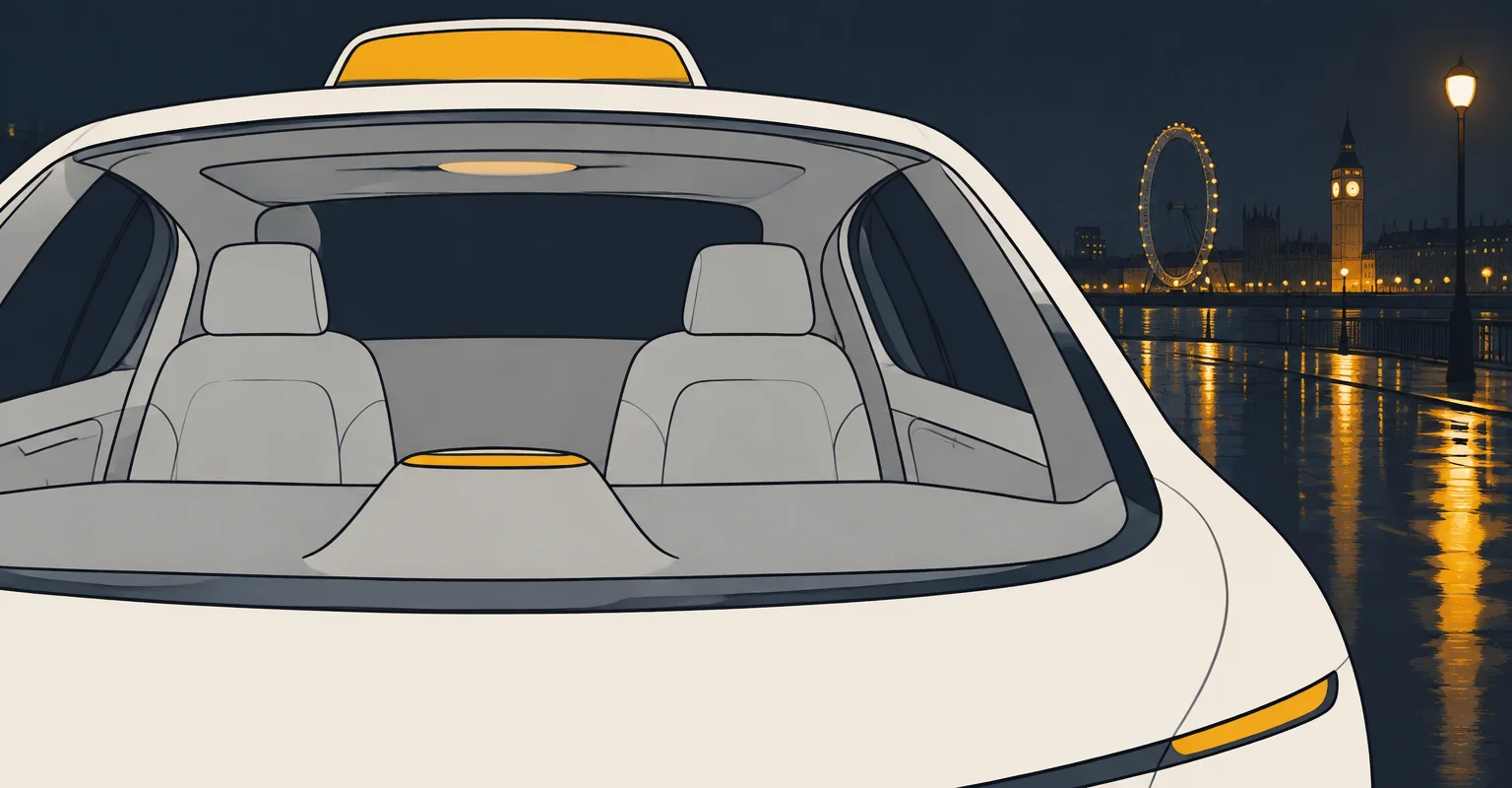
The National Highway Traffic Safety Administration opened an audit of Tesla’s self-certification that its driverless Cybercab met applicable federal vehicle-safety standards, after the company began commercial service in Austin, Texas, on Sept. 3. The inquiry, Audit Query AQ26002, covers an estimated 1,000 Cybercabs.
Tesla notified the agency that it had certified the vehicle’s compliance with applicable Federal Motor Vehicle Safety Standards. NHTSA is examining the process and technical data behind that certification, including whether Tesla treated some requirements as inapplicable to an automated vehicle. The Cybercab has no permanently attached brake pedal, accelerator, steering wheel or mirrors.
A Sept. 10 Special Order required Tesla to supply the relevant information and technical basis for its certification. It sought a list of the standards Tesla says apply, an explanation of how it made those determinations, and identification of any provisions it believes do not apply because they were developed for human-operated vehicles. The order contained 21 information requests.
The agency specifically asked how the vehicle complies with FMVSS Nos. 101, 102, 108, 111, 126 and 135. One question concerns FMVSS No. 135, which requires service brakes to be activated by a foot control.
NHTSA also asked Tesla to explain how it could comply without an exemption under 49 CFR Part 555. The Weekly Driver reported that Tesla self-certified the Cybercab rather than seeking such an exemption. Part 555 can permit limited production of vehicles that do not meet certain standards under specified statutory grounds, including a vehicle that provides an equivalent overall level of safety. Commercial-production exemptions may cover up to 2,500 vehicles a year for as long as two years.
Tesla’s response was due Sept. 30 and had to be signed under oath, with an affidavit from a responsible company officer. A failure to respond fully or truthfully could carry civil penalties of up to $27,874 a day, capped at about $139.4 million for a related series of daily violations.
Federal rules place the initial responsibility for certifying compliance on automakers, while NHTSA oversees that process. The agency said existing standards remain in force while it works on eight rulemakings involving requirements such as brake pedals, windshield wipers, lighting and rearview mirrors. Administrator Jonathan Morrison said NHTSA supports automated-vehicle deployment but must ensure that federal laws are followed.