Zoox halted Atlanta test fleet after drivers reported possible gas exposure
The company found carbon dioxide in some modified Highlanders, while OSHA later closed its inquiry
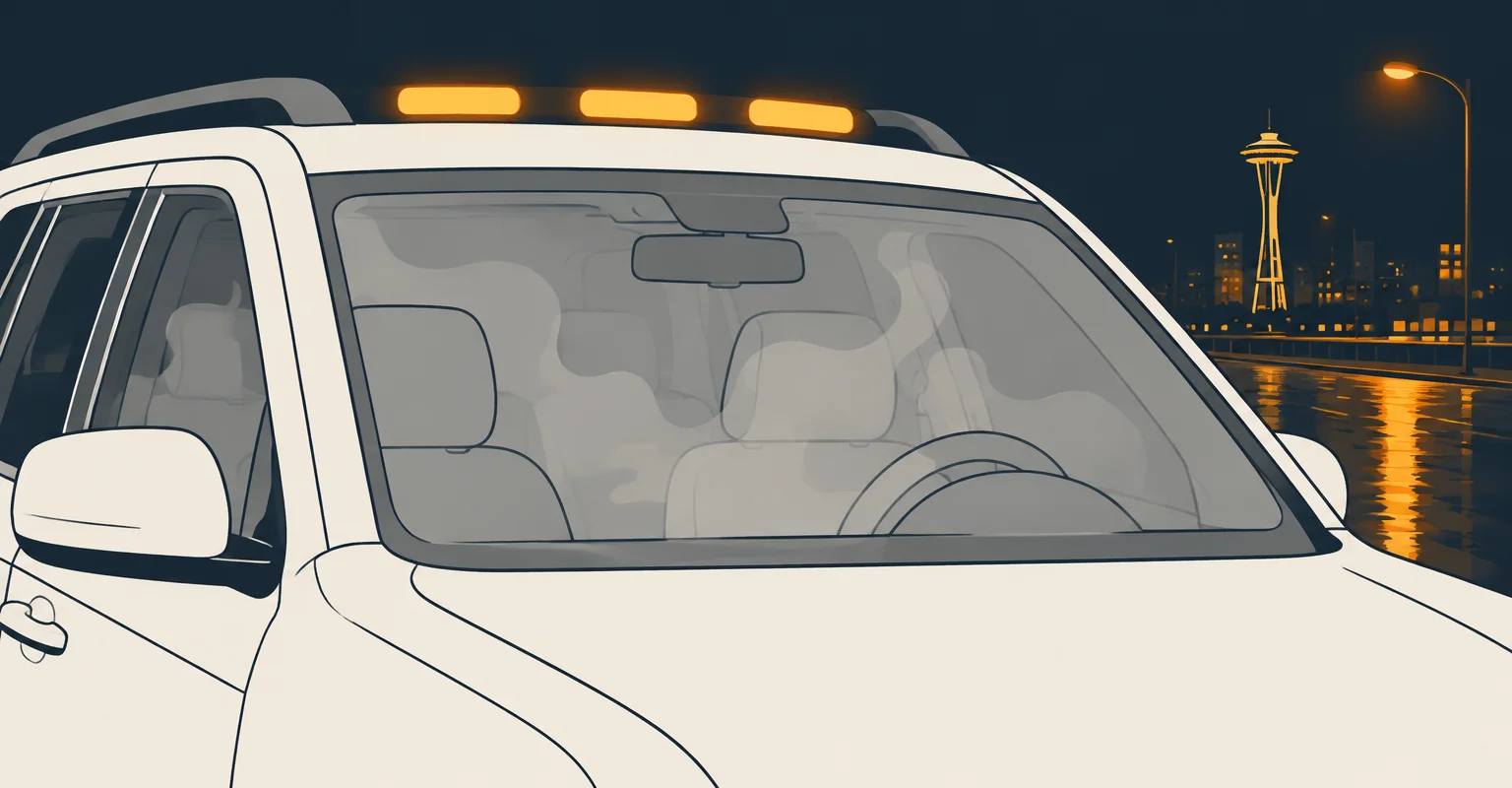
Zoox halted operations of its Atlanta test vehicles after contract safety drivers reported becoming ill inside modified Toyota Highlander SUVs and raised concerns about possible gas exposure. The company said it had ceased test-vehicle operations in the market while it investigated the reports.
The complaints arose during August. On Aug. 14, four contractors travelling together for training became unwell, with one vomiting and the others reporting lightheadedness. Zoox brought them back to its Atlanta depot, but at least one group was sent out again in a different test vehicle that day. A contractor said workers experienced a further bout of symptoms.
Three workers went to an emergency room for evaluation of potential carbon-monoxide exposure. Their tests did not show elevated carbon-monoxide levels, though medical staff said their symptoms were consistent with carbon-monoxide poisoning. Reports of illness continued through Aug. 22, when someone at the northwest Atlanta facility called 911 for a sick worker.
An OSHA complaint triggered an inquiry and a request that Zoox investigate. An OSHA letter reviewed by TechCrunch said as many as 40 workers might have been exposed, while Zoox identified 28 employees who had ridden in six vehicles with an unexplained odor. Ten voluntarily received medical evaluations; Zoox said one medical report identified carbon-dioxide exposure.
The facility then operated at limited capacity while the vehicles were quarantined. Zoox told OSHA it examined the vehicles for carbon dioxide, tested exhaust systems for leaks, conducted smoke tests for intrusions into cabins, and removed, inspected and replaced 12-volt batteries. It detected carbon dioxide but not carbon monoxide.
The company initially considered whether damaged batteries could have produced hydrogen sulfide, associated with a rotten-egg smell. It later said it found neither battery damage nor evidence of hydrogen sulfide. Zoox planned to install carbon-dioxide monitors that it said would also detect carbon monoxide and hydrogen sulfide.
OSHA closed its inquiry. The Auto Wire reported that the closure followed Zoox’s submission of an investigation letter and did not establish that a federal inspector had sampled air inside the vehicles.
The grounding applied to gasoline-powered Highlanders used for testing, not Zoox’s all-electric purpose-built robotaxis. Zoox adds sensors and an autonomy computer to the SUVs, while maintaining that it does not modify their ventilation systems. The company keeps test vehicles running for much of the day to preserve sensor calibration and shorten self-driving-computer boot times, and uses exhaust-capture equipment at indoor depots to limit toxic-gas buildup.