Waymo entered oncoming traffic during Buccaneers post-game rush in Tampa
Passengers left the robotaxi after it drove north on a stadium street temporarily converted to southbound-only traffic
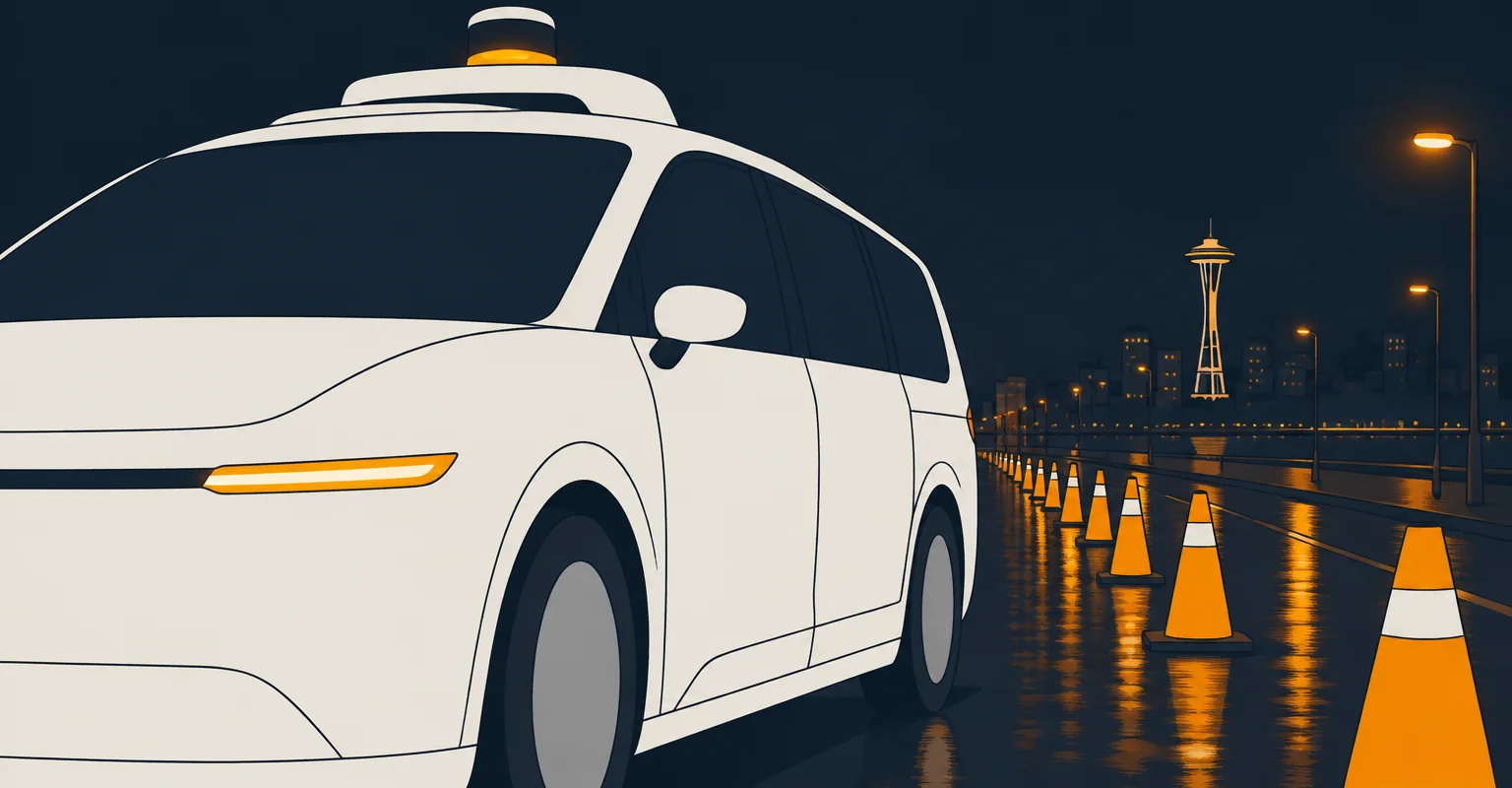
A driverless Waymo carrying passengers drove into oncoming post-game traffic outside Tampa’s Raymond James Stadium on Oct. 4, after North Himes Avenue had been temporarily converted to southbound-only traffic.
The passengers, a group of young men, left the vehicle because they feared for their safety. Video from the incident showed the Waymo proceeding north as though the street were operating normally, despite all lanes having been redirected to move traffic south and clear stadium parking lots.
WFLA reported that, after the passengers got out, the vehicle became stuck and blocked a lane. Footage of the episode was uploaded to TikTok by Matt Reardon, while Michael Ripatranzone provided WFLA with video from outside the vehicle.
Waymo said the vehicle “briefly entered a temporary one-way street” before correcting the problem. The company said it was investigating to learn more and improve, adding that the trust and safety of the communities where it operates is of paramount importance.
The location presents an unusual traffic-management setting. Raymond James Stadium seats more than 60,000 people, and post-game procedures use police-directed contraflow lanes and message boards to turn North Himes Avenue into a southbound-only route while vehicles leave the area.
The incident involved a temporary traffic change rather than a permanently one-way road. Tampa had also seen a driverless Tesla Robotaxi filmed traveling the wrong way on North Armenia Avenue in July, although that street is permanently designated one-way northbound.
Waymo had mapped Tampa streets in late 2025 before beginning rider-only operations. Its local service area covers about 50 square miles, including Raymond James Stadium, Ybor City, Water Street and the Westshore district.
On Oct. 14, Waymo announced that anybody in Tampa could hail one of its driverless vehicles without an activation code. The company described opening the service to everyone as an important step in its U.S. expansion.
Florida law permits fully autonomous vehicles to operate on public roads without a human driver and prevents local municipalities from creating their own autonomous-vehicle rules. Autonomous vehicles operating on on-demand ride-hailing networks must carry at least $1 million in primary commercial liability coverage for injury and property damage.