Illinois autonomous-vehicle pilot bill remains stalled amid labor objections
HB 4663 would create a limited testing framework, but unions, local advocates and the secretary of state have raised concerns.
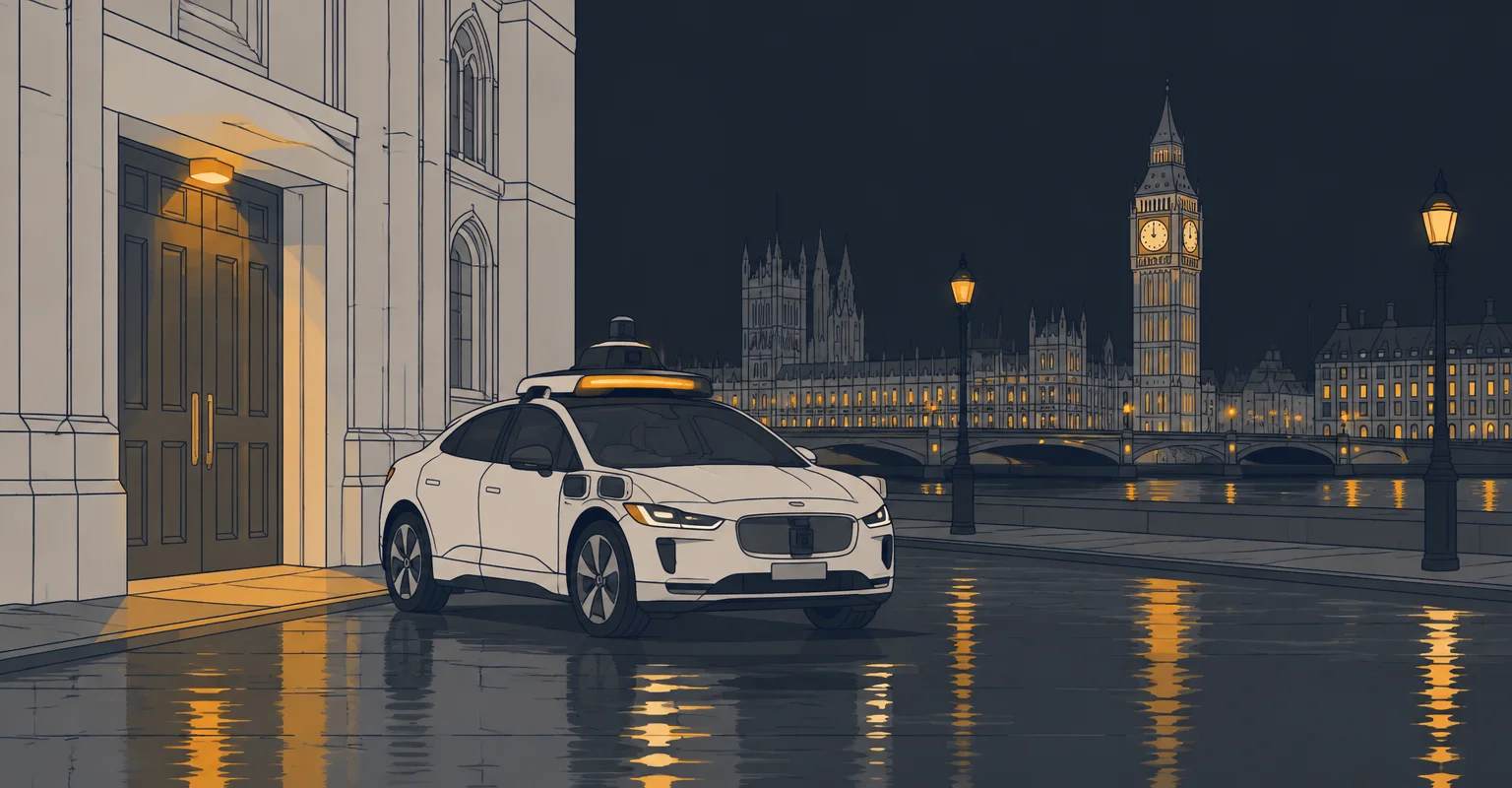
Illinois legislation that would establish a controlled autonomous-vehicle pilot remains stalled in the House Rules Committee, leaving driverless service unauthorized even as Waymo maps Chicago streets with human safety drivers.
House Bill 4663, the Autonomous Vehicle Pilot Project Act, belongs to the General Assembly’s 2025-26 session. The measure would create a framework to test and deploy self-driving cars, but it must first leave the Rules Committee, pass a substantive House committee and the full House, then repeat that process in the Senate.
The proposed programme has drawn opposition from labor groups and concern from Illinois Secretary of State Alexi Giannoulias over its potential consequences for workers, road safety and passengers. SEIU Local 1 has argued that the bill lacks protections for rideshare drivers. Its representatives say their economic analysis found that each autonomous vehicle could replace four human drivers because it can operate continuously, a claim based on the union’s analysis rather than a government estimate.
Bailey Koch-Farwana of SEIU Local 1 said the legislation offers no provisions for managing a transition away from driver jobs or protecting affected workers, and that unions and rideshare drivers had not been included in discussions. Illinois has an estimated 100,000 rideshare drivers, according to the labor debate reported by Illinois Public Media.
Rep. Kam Buckner, the bill’s sponsor, has said he is negotiating with labor advocates, rideshare drivers and other stakeholders rather than trying to rush the measure through the November veto session. He described the proposal as a limited programme with a set number of vehicles intended to generate Illinois-specific data. If it does not advance, he said it may need to be introduced again in the next legislative session in January.
Reporting has described the proposed pilot as lasting three years and covering Chicago and other eligible metropolitan areas. The legislation limits testing to counties with more than 1 million residents, plus Sangamon County and the Metro East counties of Madison, St. Clair and Monroe. Chronicle Illinois noted that the legislation would not itself immediately authorize autonomous vehicles on Illinois streets.
The proposed policy is also intended to examine whether autonomous vehicles could help bridge the first- and last-mile gap between transit stations and homes, particularly in disconnected communities on Chicago’s South Side. Buckner has urged the newly founded Northern Illinois Transit Authority to study how the technology might operate alongside the existing public-transit network if it becomes legal.
Other critics have raised questions beyond employment. Jim Merrell of the Active Transportation Alliance said Chicago should retain authority to regulate where and how autonomous vehicles operate, including around bus stops and bike lanes. The Illinois Environmental Council has warned that driverless vehicles could add congestion and pollution in already crowded areas.
Waymo has begun testing and mapping Chicago streets with safety drivers, but it had not announced plans for robotaxi operations outside Cook County, according to its spokesperson. That activity remains distinct from a driverless commercial service, which Illinois law does not currently authorize.