Minneapolis council backs human monitor rule for robotaxis; Frey vetoes it
The 7-6 measure would put a licensed, minimum-wage safety monitor in every autonomous rideshare vehicle’s driver’s seat
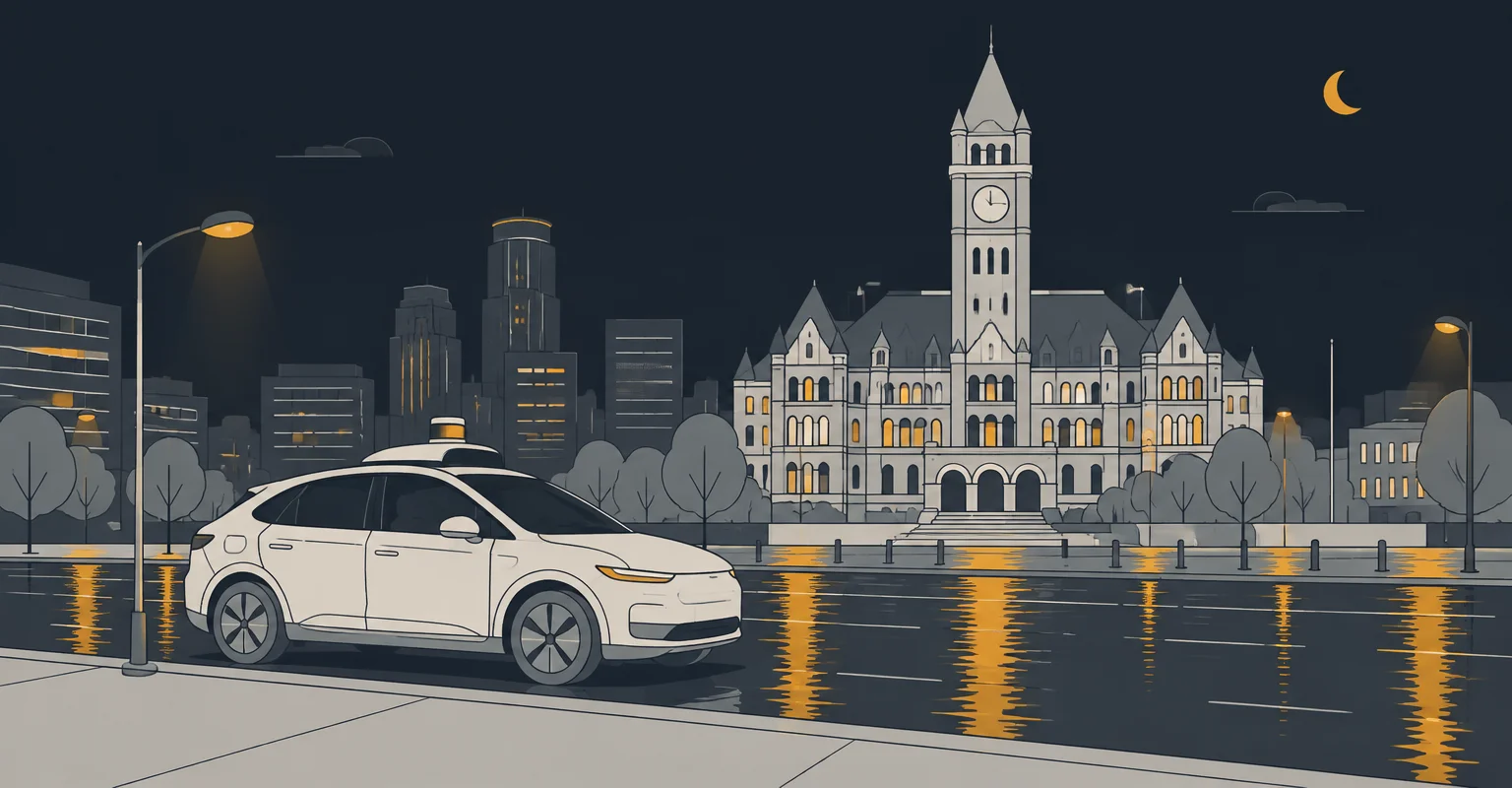
Minneapolis Mayor Jacob Frey vetoed a City Council ordinance that would require a licensed human monitor in the driver’s seat of every commercial autonomous vehicle, after the measure passed by a 7-6 vote on Oct. 1.
The measure, called Workers Drive Minneapolis, would require the monitor to have immediate access to steering, braking and acceleration, and to be paid at least the minimum wage. It also calls for a city-issued license. If approved, it would make Minneapolis the first U.S. city to require a person in the driver’s seat of a robotaxi.
CBS Minnesota confirmed the council’s approval. Elliott Payne, Robin Wonsley, Jamal Osman, Soren Stevenson, Jason Chavez, Aisha Chughtai and Aurin Chowdhury voted for the regulation.
Frey formally submitted his veto of Council Action 2026-034 on Oct. 2. He said requiring a driver in a driverless car amounted to a “backdoor ban” on autonomous-vehicle technology.
In his veto letter, Frey argued that the city should regulate autonomous rideshare services in areas including curbside management, emergency response, traffic enforcement, liability and insurance, privacy and data reporting. He also said a mandatory human monitor would deny an option to riders who prefer driverless service because of concerns about safety, reliability, disability access, sexual assault or other crimes involving conventional rideshares.
The mayor said parents should be able to choose an autonomous rideshare for children travelling to school or other activities. Waymo likewise called the proposal a de facto ban, saying it has no comparable requirement in the 15 other cities where it operates.
Backers framed the measure as both a public-safety rule and a labour protection. Wonsley said it was intended to protect immigrant workers from job losses through automation, while supporters said thousands of rideshare drivers could be affected. Earlier reporting by the Minnesota Reformer said the proposal was motivated by efforts to protect more than 10,000 Minnesota rideshare-driver jobs.
The dispute comes after Waymo began testing its technology in Minnesota in fall 2025. The company has said it provides more than 500,000 fully autonomous rides a week in 15 major U.S. cities, none requiring human monitors. It cited its own comparison of more than 220 million miles, which it said showed 94% fewer serious or fatal-injury crashes and 82% fewer injury crashes; experts cautioned that autonomous-vehicle safety data remain limited, particularly in difficult conditions such as icy city streets and congested highways.
Minnesota lawmakers did not reach agreement on statewide driverless-vehicle legislation during the spring session. The council can override Frey’s veto, but needs nine votes. If ultimately enacted, the ordinance would take effect in October 2027.
- City: Minneapolis
- Operator: Waymo