Minneapolis council falls short of overriding robotaxi-monitor veto
The 7-5 vote left Mayor Jacob Frey’s veto in place, two votes short of the threshold required to revive the worker-protection ordinance.
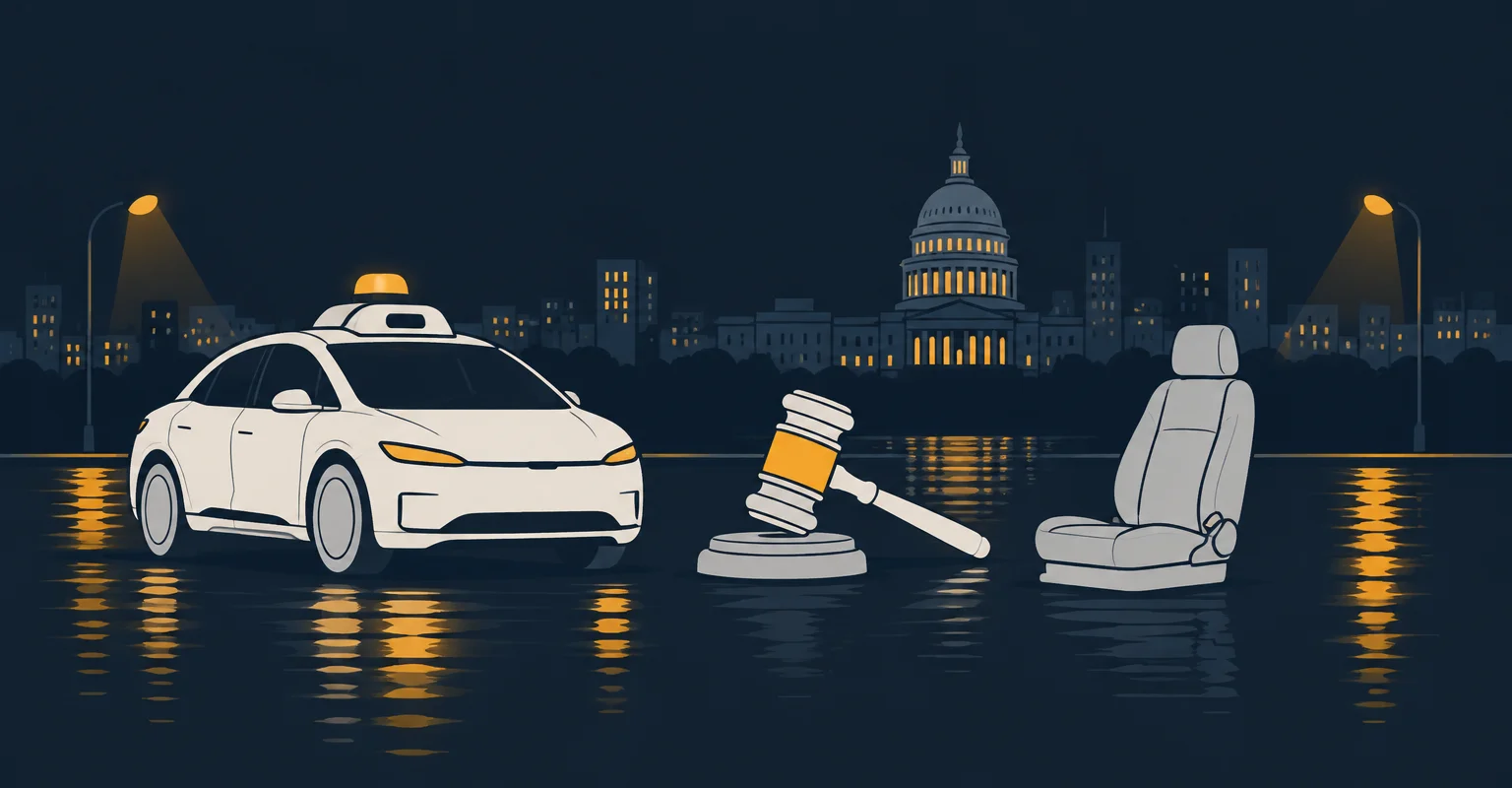
The Minneapolis City Council failed on Oct. 15 to override Mayor Jacob Frey’s veto of Workers Drive Minneapolis, leaving the city without the proposed requirement that robotaxis carry a paid human safety monitor. The 7-5 vote was two votes short of the nine needed to overturn the veto.
The measure would have required autonomous-vehicle companies originating rides in Minneapolis to obtain a city licence. Every trip would have needed a monitor, at least 18 and holding a valid driver’s licence, seated behind the wheel with immediate access to the steering, brakes and accelerator. Companies would also have had to conduct background checks and issue identification cards before hiring or contracting monitors, who would be entitled to at least minimum wage.
As reported Oct. 1, the council originally approved the ordinance by a 7-6 margin before Frey vetoed it the following day. Had it survived, the city ordinance was scheduled to take effect on Oct. 1, 2027.
Supporters framed the proposal as a safeguard for rideshare workers as autonomous services expand. The Minnesota Reformer reported that it was intended in part to protect about 10,000 rideshare-driver jobs in the state, where a majority of such drivers are immigrants, according to state data. Robin Wonsley, the ordinance’s lead author, said the city could not allow Big Tech to “steal thousands of jobs from immigrant workers.”
Frey said requiring a driver in a driverless car “doesn’t make sense” and described the ordinance as a back-door ban on the technology. He said Minneapolis was open to innovative technology and varied transportation options, while arguing that regulation should address safety without effectively prohibiting autonomous vehicles.
Waymo likewise called the proposal a “de facto ban.” The company said it provides more than 500,000 fully autonomous rides each week in 15 major US cities, none of which requires human monitors. Waymo began testing in Minnesota in 2025, but the timetable for commercial service in the state remained unclear.
The failed override does not end the policy fight. Wonsley said she would formally introduce another proposal regulating autonomous vehicles for commercial use. Separately, Minnesota legislators are expected to revisit statewide autonomous-vehicle rules when the closely divided Legislature returns in January 2027, after failing to agree on legislation covering safety and economic effects.
The thread so far
- City: Minneapolis
- Operator: Waymo
- Tag: Robotaxi Regulation