Tesla points to Dallas after Austin Cybercab fleet passes 300
Texas registration figures offer no measure of active paid rides as Tesla points to Dallas
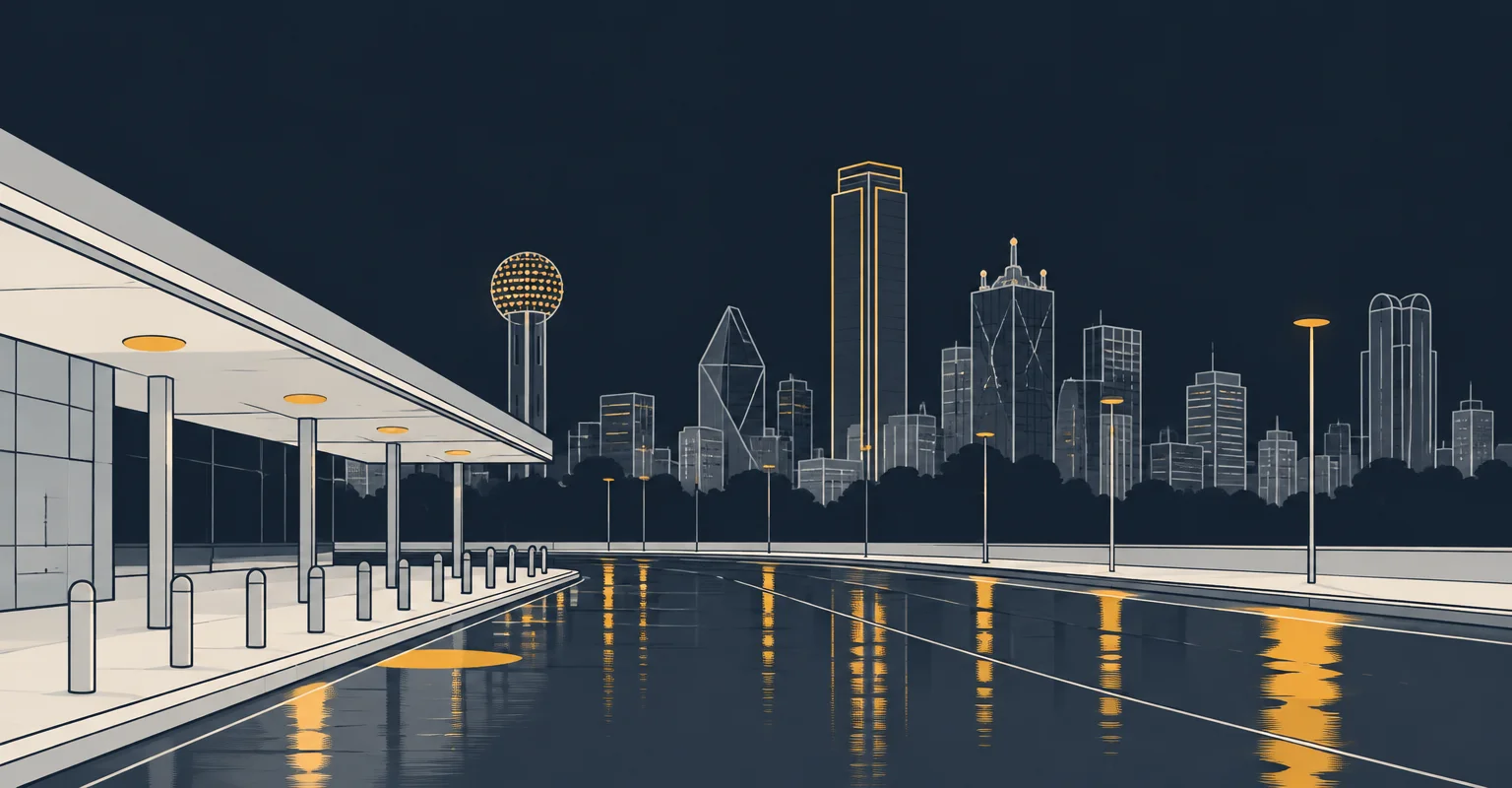
Tesla said its Austin Cybercab fleet had passed 300 vehicles on Oct. 10, an eightfold increase in roughly a month from fewer than 40. Ashok Elluswamy, Tesla’s vice president of artificial-intelligence software, then said on X that Cybercabs were coming “soon” to Dallas.
The Dallas statement did not include a rollout date. It nevertheless identifies Dallas as Tesla’s next indicated Cybercab market after public rides began in Austin in September.
Texas registration data gave a broader, but differently defined, measure of Tesla’s vehicle base. As of Oct. 10, about 319 Cybercabs and 420 Model Y Robotaxis were registered in the state, according to figures cited by both reports. Registration does not establish that every vehicle is carrying paying passengers, and Tesla has not disclosed how many Cybercabs operate at once, total completed rides, or whether the service is profitable.
The planned Cybercab arrival would follow the Model Y Robotaxi’s entry into the Dallas area in spring. The two Tesla vehicles differ substantially: the Cybercab is a two-seat vehicle designed for driverless ride-hailing, with no steering wheel, pedals or conventional mirrors, while the Model Y Robotaxi retains a steering wheel and pedals and can carry more passengers depending on configuration.
Dallas would also mark a test beyond Tesla’s initial Austin operating environment. The company manufactures both vehicles in Austin and develops the software that controls them, although the available fleet data do not yet show the economics of the service. Completed rides, demand and operating costs, alongside expansion into additional cities, will be the relevant measures.
Tesla’s expansion is unfolding alongside federal scrutiny. NHTSA opened a September investigation into the data Tesla supplied for federal certification of the Cybercab, noting the vehicle’s lack of conventional controls and mirrors. In October, the agency opened a separate investigation into reports that Cybercabs and Robotaxis exceeded posted limits in active school zones. Neither review establishes wrongdoing.
As we reported in September, NHTSA had already begun auditing Tesla’s Cybercab safety self-certification after commercial service started in Austin. The scale-up since then is significant, but it remains distinct from evidence of an active, profitable passenger operation.
Tesla was far smaller than Waymo in Texas at the end of May, when state records listed 42 Tesla vehicles authorized for driverless ride-hailing and 577 Waymo robotaxis. A Texas law that took effect May 28 requires commercial driverless-vehicle operators to self-certify their vehicles as SAE Level 4, meaning they can operate on typical roads and in normal weather without a human driver aboard.