Tesla says it is developing a wheelchair-accessible autonomous vehicle in Texas
The planned vehicle would let passengers remain in their wheelchairs, a capability Tesla’s current Cybercab does not offer.
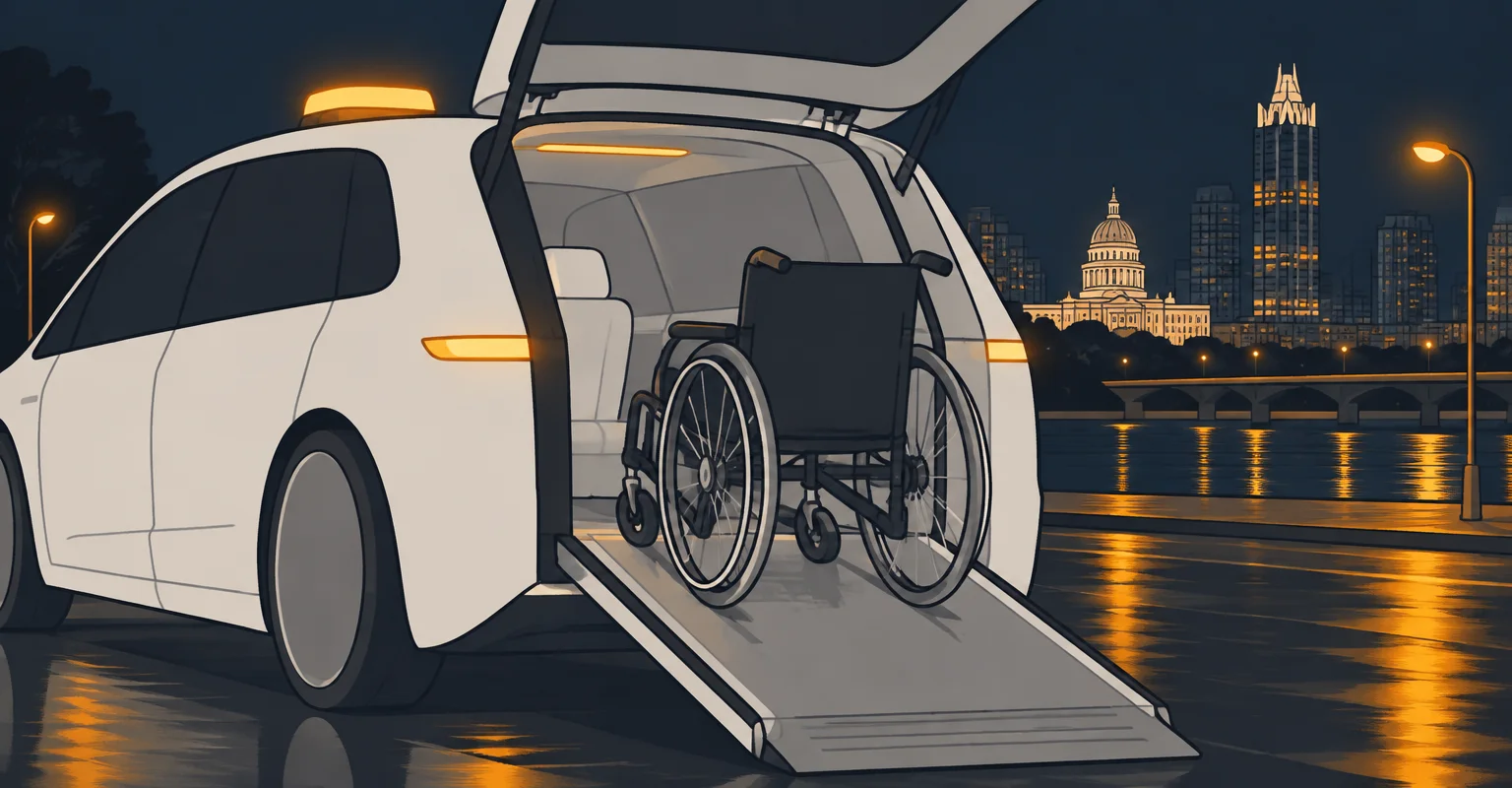
Tesla is developing a purpose-built autonomous vehicle for passengers who must remain in their wheelchairs during a trip, according to comments by the company’s senior policy adviser, India Herdman, to Washington lawmakers on Oct. 20. The company has not disclosed a launch timetable, vehicle name or technical specifications.
Herdman described the vehicle as an active Tesla product being built in Texas, citing the difficulties of paratransit for people who permanently use wheelchairs. Her comments were reported by Wired and are a public acknowledgement that Tesla is pursuing a vehicle designed around wheelchair access rather than transfers into a conventional seat.
The planned vehicle is distinct from Tesla’s two-passenger Cybercab. The Cybercab has Braille labels on physical controls, voice control, wheelchair-height seating, butterfly doors intended to ease parallel transfers, room for service animals and assistive devices, and luggage space for foldable wheelchairs. But a passenger cannot roll a wheelchair directly into its cabin and must transfer to a seat.
Tesla’s Robotaxi app currently offers an accessibility option that directs some users to third-party providers while its own solution remains under development. The app says: “We are working on accessible rides.” Elon Musk also replied “Absolutely” to a post about Tesla working on accessible rides.
The distinction matters because accessibility features that assist a transfer do not make a vehicle wheelchair accessible for riders unable to leave their chairs. Tesla’s new project is intended for that latter group, while the Cybercab is aimed at passengers who can transfer or use a foldable wheelchair.
Tesla began paid public Cybercab rides in Austin in September, and more than 300 Cybercabs were reported to be operating there by Oct. 10.
The wider industry has yet to offer fleetwide driverless wheelchair-accessible service in the US, Wired reported. Waymo can arrange wheelchair-accessible trips in five US markets, but its help centre says those vehicles are manually driven and include a driver who can help passengers enter, exit and secure their wheelchairs.
The Consortium for Constituents with Disabilities has argued that autonomous transport could improve mobility for disabled people only if both vehicles and their surrounding infrastructure are accessible. It has highlighted persistent shortages of wheelchair-accessible vehicles and ride denials affecting disabled passengers, while calling for accessible interfaces, ramps and automated wheelchair-securement systems in autonomous-vehicle policy.