Baidu’s Apollo World simulates full robotaxi trips before global launches
The AI system produces up to 100,000 kilometres of virtual driving a day, but Baidu says road testing remains necessary
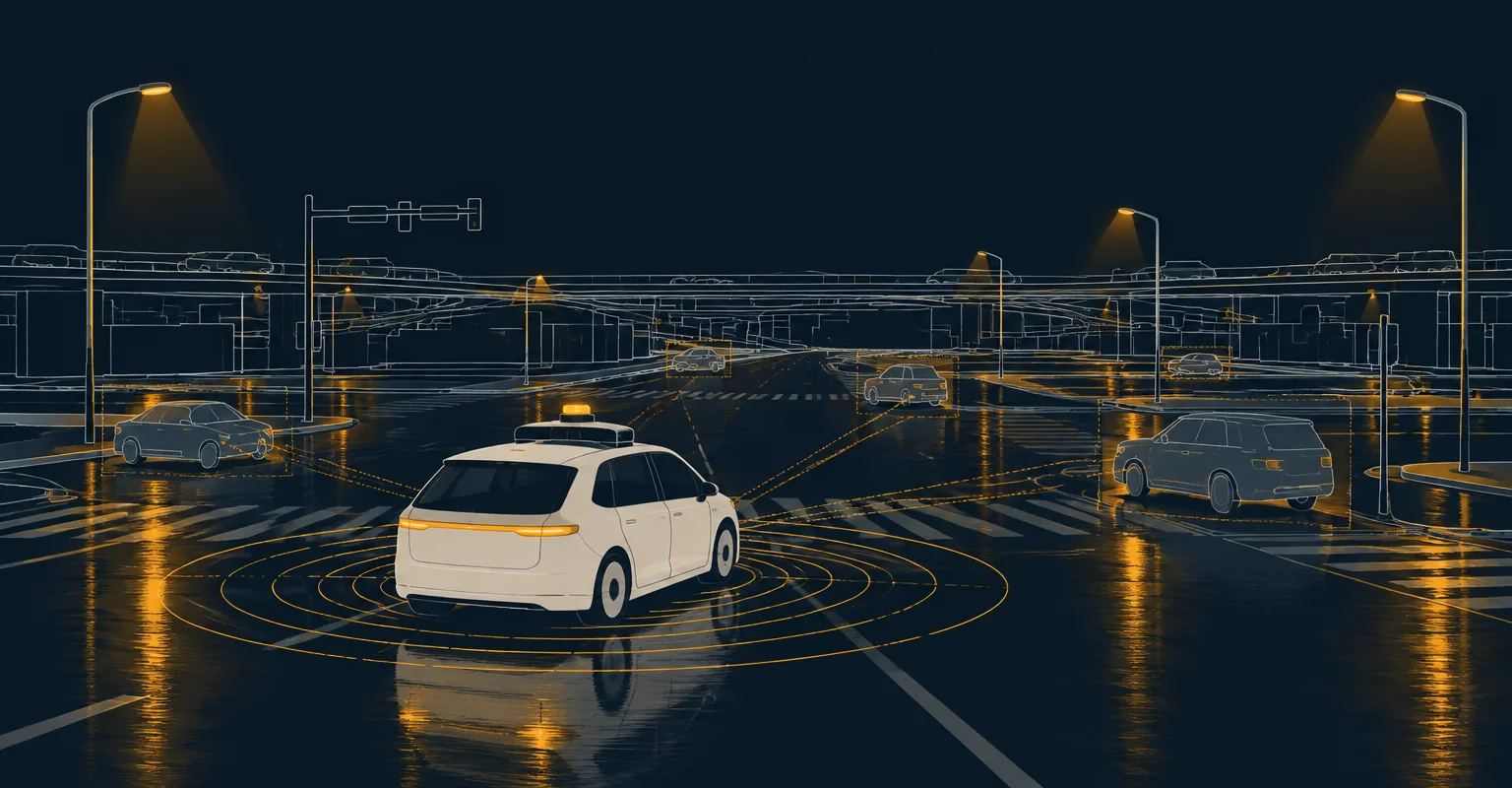
Baidu has introduced Apollo World, an AI simulation system intended to train and validate autonomous-driving strategies in interactive virtual traffic environments. The company says it is already using the model for global testing and validation of its Apollo Go robotaxi service, including training for international operations.
Apollo World can generate up to 100,000 kilometres of simulated driving each day, Daily Times reported Nov. 3. Baidu equates that output to about three years of continuous real-world testing by a vehicle operating with a safety driver.
The system is intended to model changing road conditions and generate real-time camera images and LiDAR point clouds for the vehicle's driving software. Rather than placing the vehicle in a fixed-script simulation, it uses AI agents representing vehicles, pedestrians and other road users that respond to such actions as braking, changing lanes or yielding.
That creates a loop in which the driving system perceives the virtual environment, makes a decision and acts, while the simulation updates traffic conditions and supplies new sensor observations. Wang Liang said a useful world model must reproduce physical laws and behavioural causality, rather than merely generate realistic images.
Baidu has proposed a “2+3” evaluation framework for such systems. Causality and interactivity are the two baseline requirements; physical accuracy, persistence and real-time performance are the three capability measures.
The company aims eventually to have driverless vehicles complete whole virtual-city trips, from accepting a booking and collecting a passenger to dropping them off, before entering a new market. Apollo World can also turn complex traffic conditions and risk scenarios drawn from real-world operating data into repeatable virtual tests, with the results used to refine onboard driving systems.
The simulator is being used for hazards that can be difficult or unsafe to capture frequently in road testing, including cyclists running red lights and animals entering traffic from behind corners, the South China Morning Post reported. Baidu has not quantified the system's effect on either testing costs or road safety, and revised driving systems still require real-road testing.
The launch comes as Apollo Go operates across 28 cities worldwide. Its cumulative autonomous-driving mileage had exceeded 350 million kilometres, including more than 240 million kilometres fully driverless, according to Baidu's second-quarter results. In Dubai, the service received 50 autonomous-driving test licences in July 2025 and began open-road trials with a 50-vehicle fleet the following month; Baidu and Dubai's Roads and Transport Authority plan a fleet of more than 1,000 fully driverless vehicles by 2028.
See also
- Operator: Baidu Apollo Go