Tesla floats December trials for customer-owned Robotaxis
Musk offered no details on eligibility, insurance or fare sharing, while earlier company guidance had pointed to 2027.
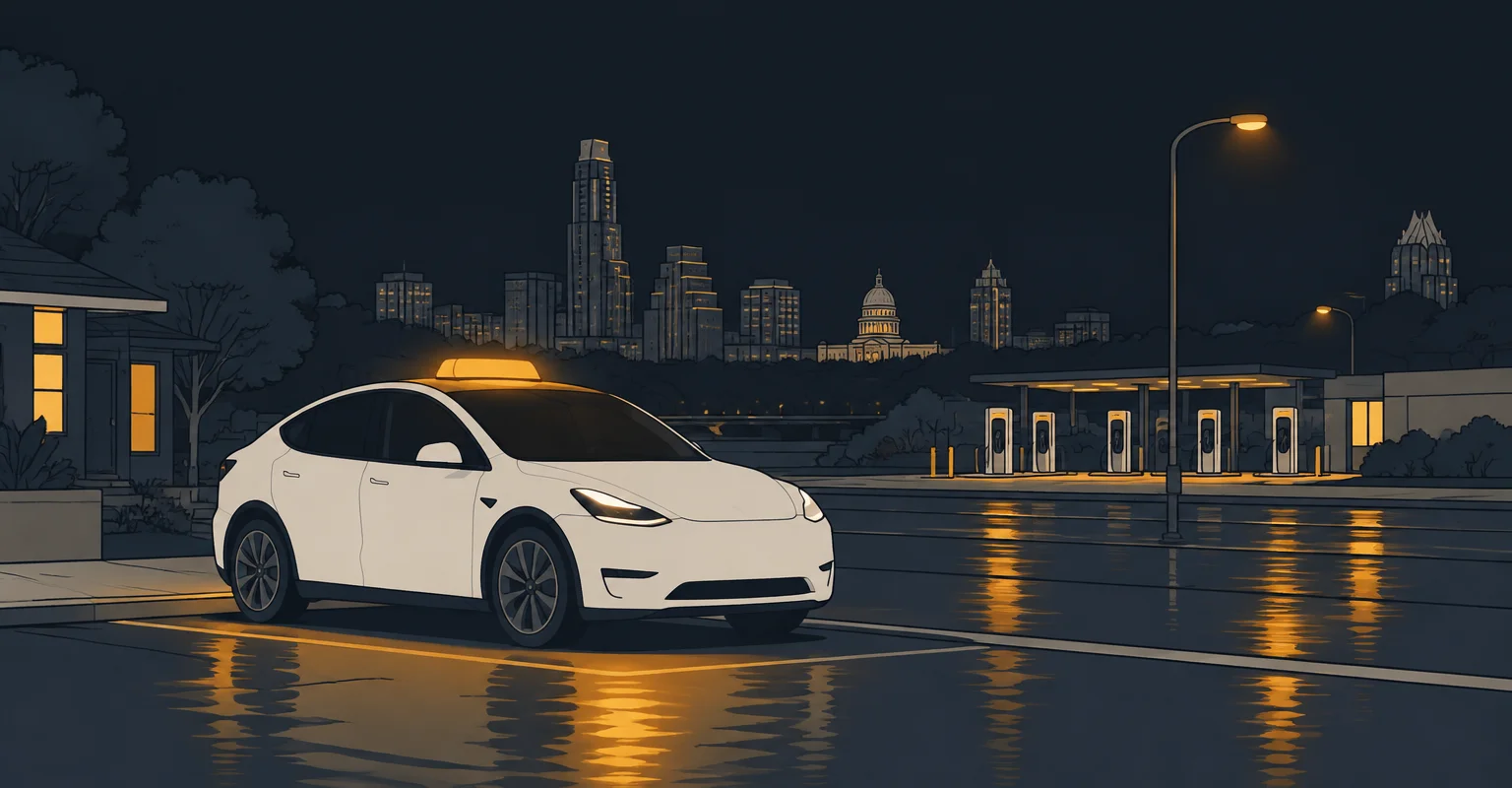
Tesla could begin trials next month that put customer-owned vehicles into its Robotaxi ride-hailing network, Elon Musk said, though his remarks stopped short of announcing a programme or launch.
Musk made the conditional comment in a Nov. 16 reply on X to an Austin Uber driver who uses a Model Y with Full Self-Driving and said he retains 49% to 63% of passenger fares after Uber’s cut. “Coming soon,” Musk wrote, adding that trials might start next month if testing goes well and that managing a fleet was preferable to driving one car.
The location and scope remain unclear. Basenor described the potential first step as a small, hand-picked Austin pilot involving select Model Y owners, rather than open enrolment. But Musk did not identify a city, eligible owners or vehicle types in his reply, according to Tesla North, and Tesla has published no application process, waitlist or eligibility rules.
Tesla has also not explained how fare revenue would be divided, who would carry insurance, how operating costs and wear would be treated, or what software and hardware would be required. The Verge reported that Tesla’s vice-president for autonomous driving, Ashok Elluswamy, had previously put the first customer vehicles joining the fleet at around the second quarter of 2027. He said customer Model Ys would need to work with Tesla’s geofences and fleet-management system, despite using the same software as the Cybercab.
A December trial would therefore be earlier than Tesla’s previous guidance and would not amount to a broad owner-network rollout. Musk had made similar ambitions before: in 2019 he said more than 1 million Tesla cars with full-self-driving hardware could operate as robotaxis in 2020, a target that was not met.
The proposed Model Y trial is also separate from Tesla’s recent private Cybercab offering. Tesla began inviting select customers on Nov. 13 to buy the two-seat vehicle for $29,990, with an estimated December delivery and a required $299 monthly Autonomy Subscription. Those vehicles are restricted to personal use within existing Robotaxi zones unless Tesla separately authorizes commercial use, so ownership does not automatically confer access to the ride-hailing network.
Tesla’s paid Robotaxi service operates in five Texas cities, according to MLQ.ai. Any expansion of a customer-car programme beyond Texas would depend on autonomous-vehicle approvals that vary by state; Texas Senate Bill 2807 requires operators to hold state authorization, submit emergency-response plans and participate in a public verification and safety-complaint portal.
See also
- Tesla’s Texas robotaxi registrations pass 500 as Cybercab count surges
- Tesla’s Austin Robotaxi registrations rise above 1,300
- Tesla’s Austin Robotaxi app now compares Cybercab and Model Y waits
- Tesla edges past Waymo in Texas automated-vehicle registry
- Tesla Robotaxi claims 4 million unsupervised miles as hours reach 20 a day