California CPUC sets Dec. 3 decision on streamlined robotaxi rules
The proposed changes would ease some airport, vehicle-exemption and service-change procedures while preserving the state’s separate DMV and CPUC approvals.
California regulators have put a proposed overhaul of administrative rules for autonomous passenger services on the agenda for a Dec. 3 Commission meeting. The California Public Utilities Commission is scheduled to consider the item, formally titled “Autonomous Vehicle Transport Policies, Processes, and Rules,” under Rulemaking 25-08-013.
The Track 1A proposed decision would set program requirements and administrative rules while leaving the proceeding open for a later decision on carrying unaccompanied minors. Its central changes concern exemptions, reinstating permits, changes to an operator’s operational design domain, airport authority and purpose-built autonomous vehicles.
The proposal would streamline some procedures without changing the underlying authorization needed to run a driverless passenger service. California law requires manufacturers to obtain a DMV permit before applying to the CPUC for a charter-party-carrier permit to transport passengers.
For airport operations, a driverless pilot program could begin service after obtaining permission from the relevant airport authority and notifying the CPUC, rather than awaiting a separate CPUC clearance notice. Operators would still have to update their passenger-safety plan if airport service materially altered how they manage passenger safety.
The airport provision has drawn objections. KQED reported that San Diego City Councilmember Sean Elo-Rivera said airports deserved their own review, while San Francisco Deputy City Attorney Andrew Angeles argued that operators should submit airport-specific plans addressing passenger-safety and security risks. Other speakers sought greater authority for local leaders and emergency personnel over autonomous-vehicle expansion.
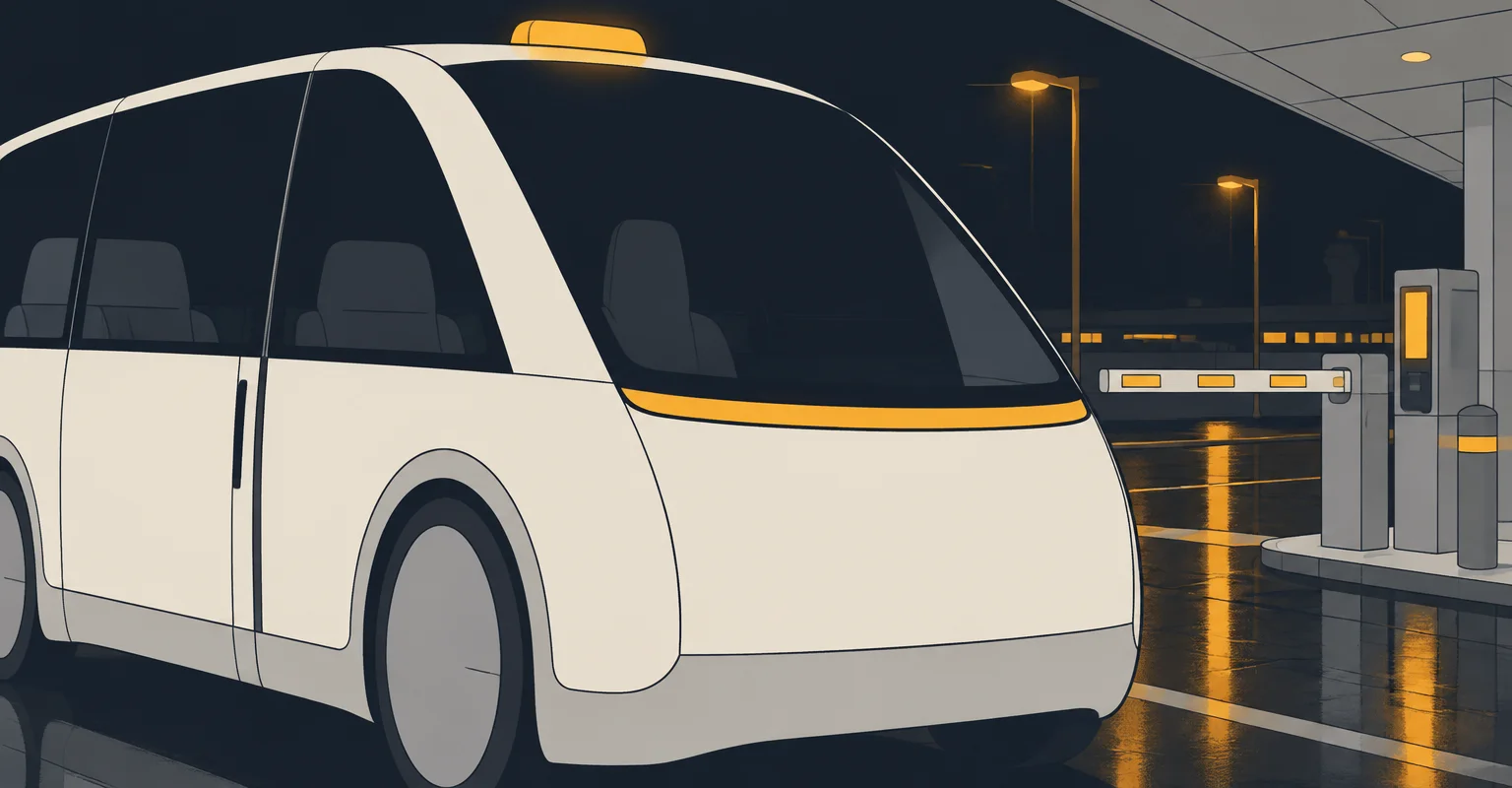
The proposed decision would also clarify treatment of purpose-built vehicles that lack conventional driver controls or equipment. Such vehicles would not need an exemption from inspection and equipment rules when the omitted feature is not required by state or federal law. The decision cites windshield wipers, rear-view mirrors, a front-seat adjustment mechanism and a speedometer as possible examples, but the clarification would not amount to a general exemption for every vehicle without pedals or a steering wheel.
It would allow CPUC staff to decide specified future exemption requests without a further Commission vote. Existing exemptions would remain in force while the operator keeps its underlying CPUC authorization and the relevant facts do not materially change; renewing a TCP permit alone would not require an exemption to be renewed. A carrier would need a new exemption if subsequent changes made the original approval or its supporting information untrue or inapplicable.
The plan would remove a proposed new 30-day attestation solely for a change in where or under what conditions service operates. But a driverless operator would still need to file when a change materially affects its passenger-safety plan. Adding a new vehicle model would still require proof of DMV authorization, an updated passenger notice and consent plan, and potentially further safety review.
The rules would not grant Tesla permission to offer driverless paid rides in California. Tesla North reported that Tesla holds a California permit to test with a safety driver, rather than authorization for driverless testing or deployment, and neither that permit nor the Dec. 3 CPUC action would authorize driverless passenger service.
The DMV separately maintains lists for testing with a driver, testing without a safety driver and deployment authorization. Its testing-with-driver information was current through Nov. 17, while the driverless-testing and deployment lists were updated Nov. 5.
California’s existing framework dates in part to a 2020 decision that required applicants for driverless deployment to submit a Tier 3 advice letter for staff review before a proposed resolution went to the Commission. The CPUC authorized specified services by Waymo and Cruise in August 2023 and adopted new data-reporting requirements for deployment and pilot programs in November 2024.
See also
- Portland weighs robotaxi guardrails before a possible Waymo launch
- New Orleans proposes robotaxi permits before Waymo driverless service
- Nevada permits up to 7,000 autonomous taxis in Clark County
- London Assembly urges tougher robotaxi powers after finding evidence gap
- St. Paul approves study of robotaxi rules before commercial service begins
- Operator: Tesla
- Tags: California Public Utilities Commission, California Dmv, Airport Access, Purpose Built Vehicle, Cybercab