Baidu says Apollo Go reached 30 cities as Li touts robotaxi safety
The company said its fleet had surpassed 390 million autonomous kilometres by the end of October.
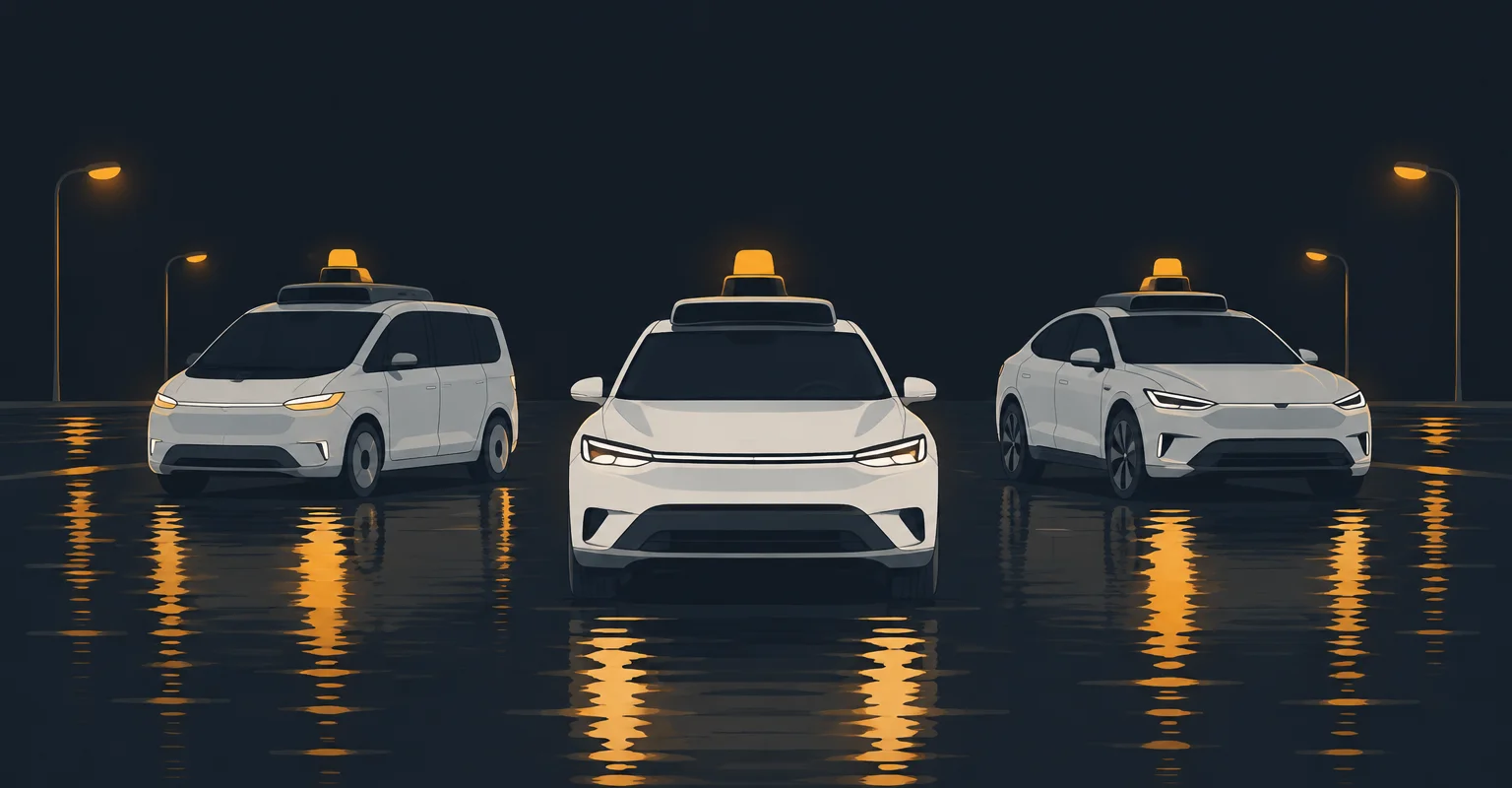
Baidu’s Apollo Go had expanded its worldwide footprint to 30 cities by October, Robin Li said at the APEC CEO Summit in Shenzhen on Nov. 17. Li also said robotaxis had a safety record roughly 10 times that of human drivers once they were in operation, presenting autonomous driving as a leading application of artificial intelligence.
Li said more than 1 million people died in road crashes worldwide each year and argued that autonomous driving could improve safety by reducing human error. He called for more countries and APEC economies to advance autonomous-driving applications.
Apollo Go had launched or conducted pilot testing in Dubai, London and Hong Kong by October. Its fleet covered about 34 million autonomous kilometres in the third quarter and had accumulated more than 390 million kilometres by Oct. 31.
The company’s stated network has grown from 22 cities in November 2025, when Apollo Go said it had logged more than 240 million autonomous kilometres. That month, it and AutoGo secured one of Abu Dhabi’s first fully driverless commercial permits, authorising robotaxi service for residents and visitors and supporting a plan to expand their local fleet to hundreds of vehicles.
Hong Kong’s autonomous-vehicle framework took effect in March 2024, and the government issued its first pilot licence that November for trials of up to 10 vehicles in North Lantau. As covered in October, Apollo Go subsequently prepared a large-scale public trial for ticketed residents in Tung Chung, with a backup operator in each vehicle.
Li placed robotaxis within a broader four-layer view of AI: chips, cloud infrastructure, models and applications. He said the ultimate value was chiefly realised in applications, also pointing to drug development and short-drama production, while Baidu sought to connect AI token providers with customers amid a global computing-power shortage.
Baidu’s core-business revenue was 25 billion yuan, about $3.8 billion, in the third quarter, up 1% from a year earlier. Its AI-powered businesses generated 13.2 billion yuan, or about $2 billion, accounting for 53% of revenue for a third consecutive quarter above half; AI cloud-infrastructure revenue rose 94% year on year.
See also
- Baidu’s Apollo World simulates full robotaxi trips before global launches
- Hankook expands Apollo Go tire supply to 10 Chinese cities
- Baidu prepares Hong Kong’s first large-scale public robotaxi trial
- Pony.ai and Toyota put bZ4X robotaxis into driverless Guangzhou service
- XPeng gains approval for citywide Level 4 robotaxi demonstrations in Guangzhou
- Operator: Baidu Apollo Go